The Recipe Link
Cooking on the net since 1996!
Recipelink.com


- Real Recipes from Real People -
-
 Fannie Farmer Chicken Pot Pie...
 Authentic Focaccia (bread mach...
 Carrot Cumin Firecrackers (GF)...
 Turkey Meatballs with Carrots ...
 How to Make a Flax Egg or Chia...
 Baked Eggs with Spinach...
 Buffalo Horns (using chicken a...
 Tomato...
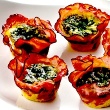 Mini Ham and Egg Quiche...
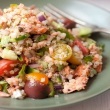 Quinoa Panzanella (with or wit...
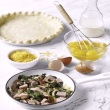 Never Fail Ham and Spinach Qui...
 Mayonnaise for Days and Aioli ...
 Quinoa...
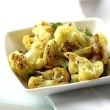 Spicy Indian Cauliflower...
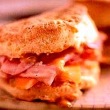 Doughmakers Ham and Dill Scone...
 Curried Cauliflower with Scall...
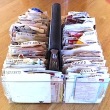 Vintage Recipe Clippings: Mary...
 Fresh Berry Scones with Vanill...
 Poppy Seed Filled Challah...
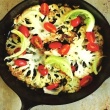 Pan-Roasted Cauliflower Steaks...
 Portobello Quinoa Stacks...
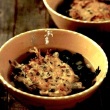 Chard and Cilantro Soup with N...
 Homemade Animal Crackers...
 Ham...
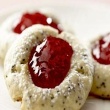 Raspberry Filled Poppy Seed Co...
 Party Potato Salad...
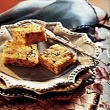 Strata Frittata (Baked Eggs wi...
 Stir and Roll Pizza (1970's)...
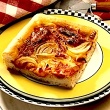 Deep Dish Ham and Onion Pizza...
 15 Minute Olive Oil and Sesame...
 Cauliflower and Chickpea Curry...
 Lemon Poppy Seed Muffins with ...
 8 Recipes from the Booklet: Ba...
Ham...
8 Recipes from the Booklet: Ba...
Ham... The Stinking Rose Restaurant P...
 Spinach...
 Triple-Smoky Macaroni and Chee...
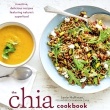 Chia Green Superfood Smoothies...
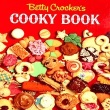 Mary's and Ethel's Sugar Cooki...
 Pickled Beets and Purple Eggs...
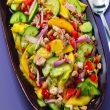 Spicy Chicken...
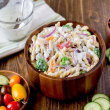 Greek Pasta Salad with Cucumbe...
 48 Recipes from the Booklet: M...
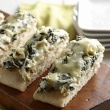 Spinach Artichoke Focaccia...
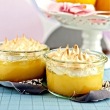 Lemon Meringue Pies in Jars wi...
 Lemony Chard-Stuffed Shells...
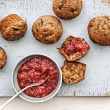 Mini Zucchini Banana Muffins w...
 Mini Apple Pies...
 Yellow Pepper Quinoa with Home...
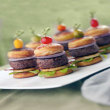 Burger Bar Blue Cheese Stuffed...
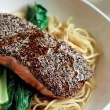 Chia-Crusted Salmon with Asian...
 26 Recipes from the Booklet: T...
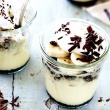 Chocolate-Banana Cheesecake in...
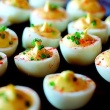 Classic Deviled Eggs and Homem...
 Blue Hill One Ingredient Whole...
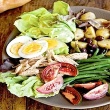 Classic Salad Nicoise...
 Homemade Creamy Dreamy Almond ...
 Overnight Salmon Bake...
How to Make a Flax Egg or Chia...
Overnight Salmon Bake...
How to Make a Flax Egg or Chia...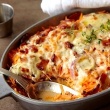 Chicken...
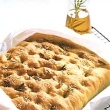 ACE Bakery Focaccia and Scacci...
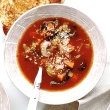 Mushroom and Rainbow Chard Min...
 Moroccan Quinoa...
 Mile End Deli Homemade Matzo...
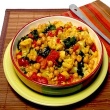 Cauliflower and Chickpea Curry...